


FENIX is a family of innovative materials developed for interior design, brought to market after years of research into smart, high-performance surfaces. Rather than a single product, it is a coordinated system built around one distinctive surface technology and has become a familiar reference point for architects planning interiors that need to look considered and perform well over time.
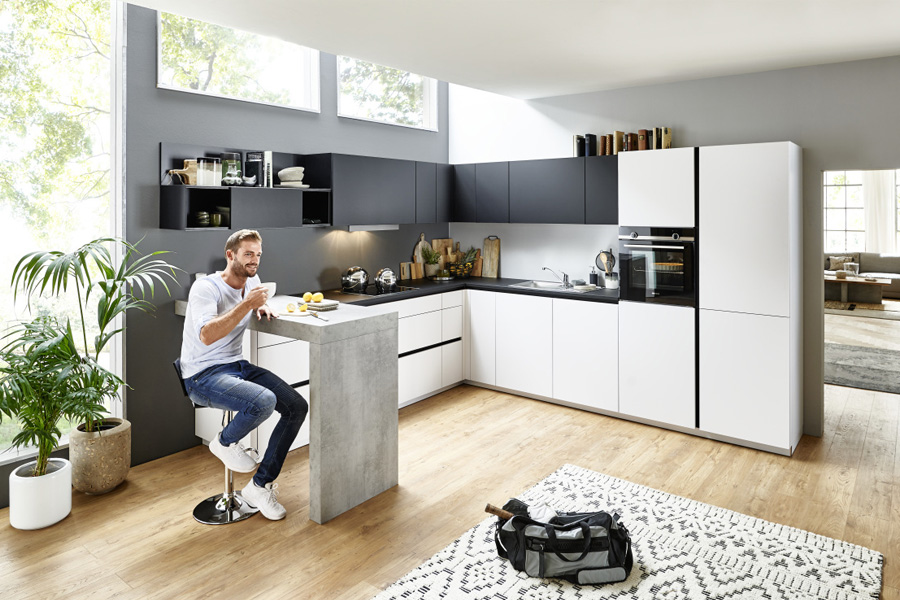
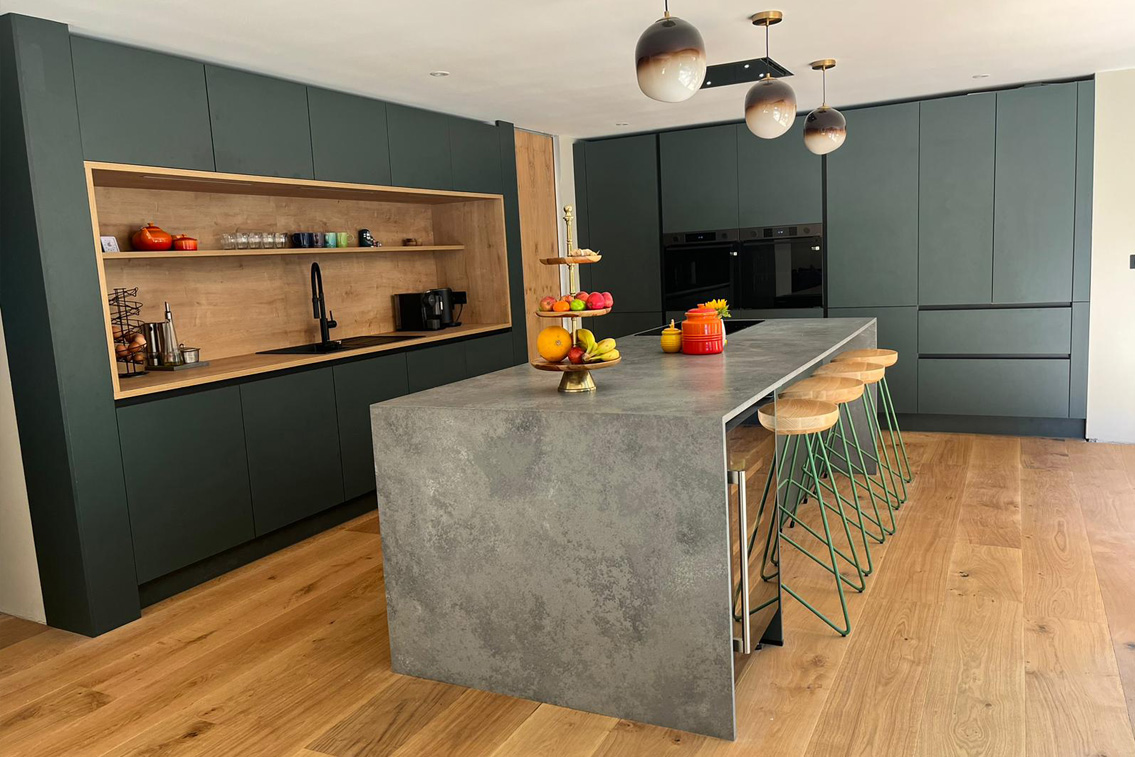
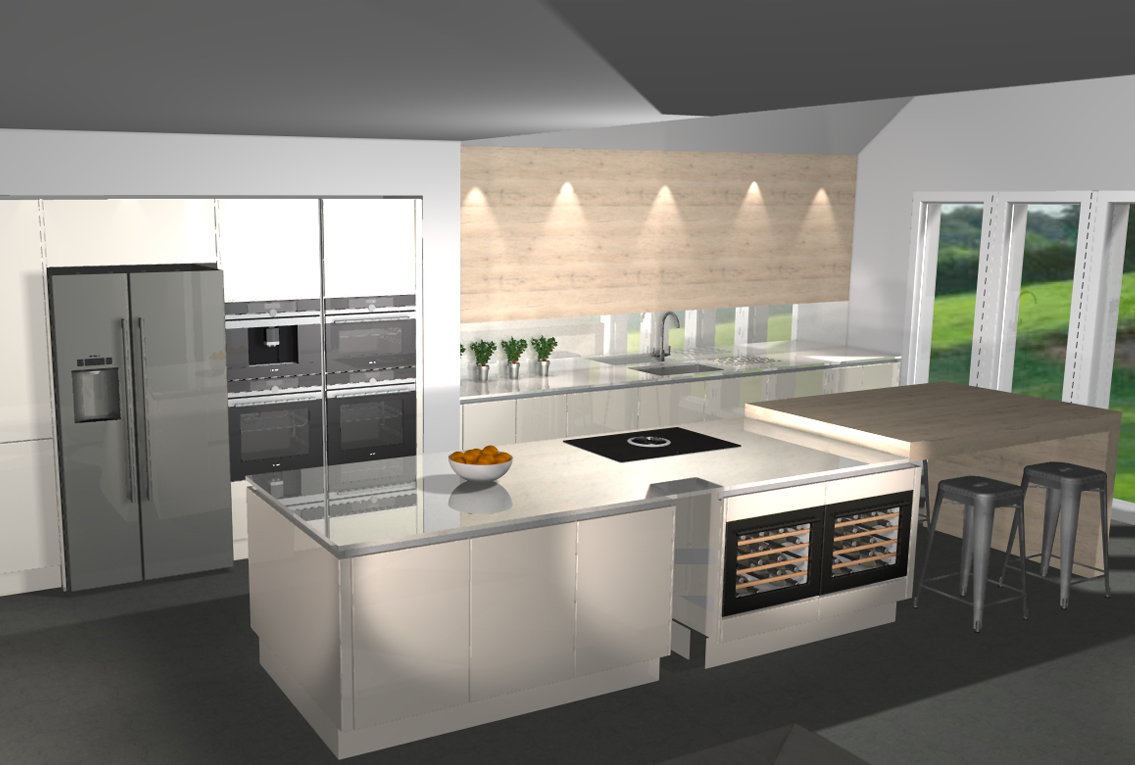
At its core, FENIX is often described as a next-generation laminate, produced using nanotechnology and advanced acrylic resins, cured through an electron beam process that gives the surface its characteristic look. It is used chiefly on vertical and horizontal interior surfaces – worktops, cabinet doors, wall panels, tables, shelving and bespoke furniture – and is increasingly featured across premium German kitchen ranges, with several product formats designed for one consistent material language across a fit-out.
Worth a quick clarification, too: FENIX interior surfaces have no connection to the Garmin Fenix sports watch range or the Apple Watch. If you’re researching kitchen and interior surfaces rather than wearable technology, read on.
FENIX behaves as a surface unlike most laminates, which is why designers ask for it by name.
FENIX has almost no light reflectivity, so there is no glare under strong kitchen lighting or showroom spotlights, and colours read as deep and velvety rather than flat.
Everyday marks from hands and cooking are far less visible on FENIX than on gloss or standard laminate fronts, cutting down on constant wiping in busy family kitchens.
Where stone or metal can feel cold and clinical, FENIX has a soft, warm-feeling surface that noticeably changes how a room feels underhand – on cabinet doors, a worktop or a desk.
Perhaps FENIX’s most talked-about property: minor surface marks can often be reduced using a household iron and a damp cloth – useful for busy kitchens, alongside strong resistance to scratching and abrasion and good dimensional stability.
FENIX is specified across residential, hospitality, workplace and retail projects thanks to its versatility and its consistent look and feel from one application to the next.
On vanities and wall panels, the matt aesthetic lends itself to a spa-like feel, and properly fabricated FENIX copes well with bathroom humidity. In offices, reception desks and wall cladding benefit from a durable, easily refreshed surface, while bars, café counters and display units in hospitality and retail settings take constant contact without looking tired. The same premium finishes can be explored in ex-display kitchens, tracing back to the material’s Italian showroom heritage, where scenario spaces let designers experience it under natural and artificial light.
FENIX sits within a broader shift toward materials that unify performance, sustainability credentials and refined aesthetics, rather than forcing a trade-off between the three. Its palette of sophisticated, desaturated colours and consistently matt finish combine easily with wood veneers, stone, metal and textiles, and its Italian design heritage – with a regular presence at Milan’s major design showcases – keeps it on the radar of architects and interior designers internationally.
There are practical advantages too: coordinated panels and worktops, and well-established fabrication know-how among shopfitters. Anyone booking a free kitchen design consultation can expect a team well versed in working with it.
FENIX competes with a wide range of solid surfaces, laminates, ceramics and engineered stones. Compared with traditional high-pressure laminate, it shares similar fabrication methods but relies on far more advanced surface chemistry, delivering its super-matt finish, anti-fingerprint performance and thermal-healing properties. Against hard, glossy materials such as polished stone or lacquer, the trade-offs come down to tactile comfort, light reflection and visible fingerprints, with FENIX suiting large vertical expanses like full-height cabinetry particularly well. Against thick solid surfaces, it delivers a similarly premium feel at different price points, often with easier retrofitting onto existing carcasses.
For many designers, the decision comes down to more than a single metric: how the material unifies look, touch, maintenance and manufacturability across a project – easiest to judge within a proper How to Plan a Kitchen Layout That Actually Works for Your Life, where finishes need to work together rather than being chosen in isolation.
Common questions designers ask.
Not at all – FENIX is designed for easy daily care. Most stains lift with a soft cloth, warm water and a neutral detergent, avoiding abrasive creams or harsh solvents. The anti-fingerprint finish already reduces marks, so routine wiping is needed far less than with gloss fronts or polished stone.
Superficial micro-scratches can often be reduced with a melamine foam pad and a heat source, such as an iron and damp cloth, per the manufacturer’s instructions. Deeper gouges typically need professional assessment and, occasionally, replacement – much like the wood veneer surfaces covered elsewhere.
Yes. FENIX suits bathroom cabinetry, vanities and wall panels on moisture-resistant substrates with correct edge sealing. Performance depends on fabrication quality and protecting joints from standing water.
Yes – FENIX is frequently paired with timber, stone, metal and glass to create layered schemes, typically on high-touch surfaces such as door fronts, while other materials handle structural or accent elements. This works well with handleless cabinetry , where the surface finish carries the visual weight.
Generally not – most joiners and shopfitters can work with FENIX using standard machinery, with attention to tooling and edge detailing. Complex jobs such as integrated sinks are worth discussing with a trained fabricator. If low-maintenance cleaning matters more than surface feel, it’s also worth weighing FENIX against a white kitchen finish, both available across our kitchen collections.