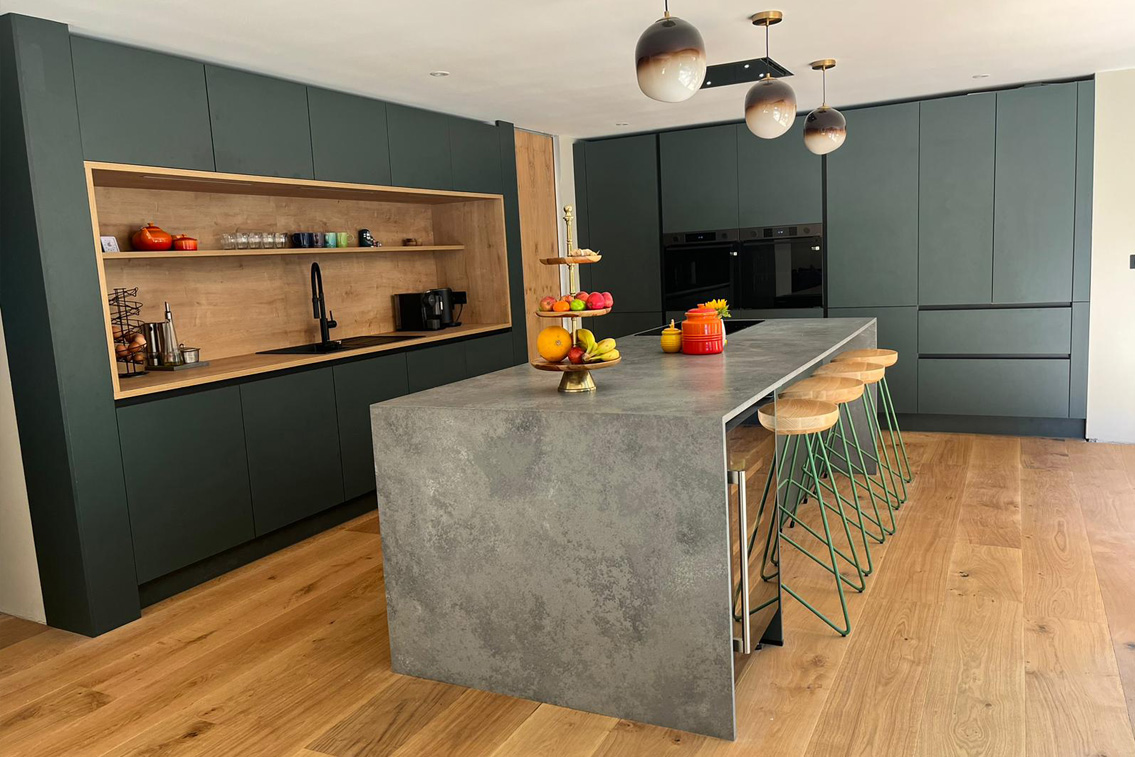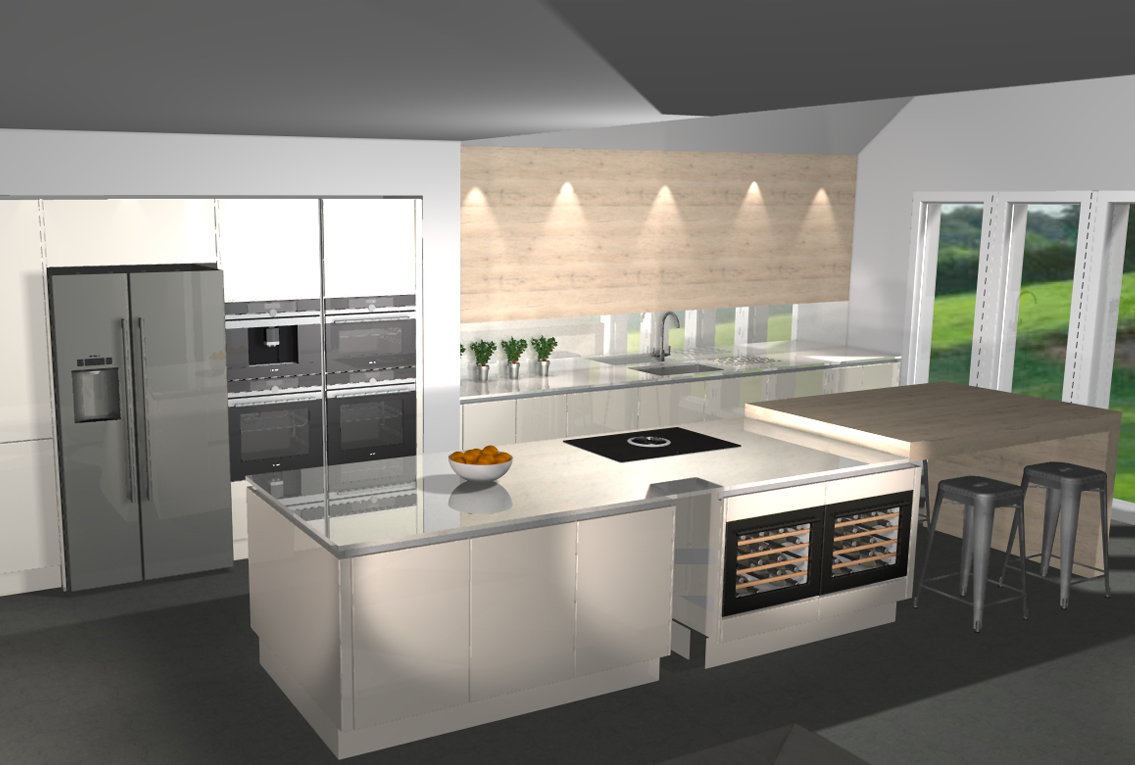



Kitchens are often called the heart of the home, and for many buyers they’re one of the first things that influence a viewing decision. If you’re weighing up whether to invest in a full bespoke kitchen design before listing your house, or simply tidy up what you already have, the honest answer is: it depends on your kitchen’s condition, your local market, and how much time you have before you need to sell. A brand new kitchen rarely returns every pound spent right before a sale – in most cases, a lighter, targeted renovation works better.
Kitchens are often called the heart of the home, and it’s not just a cliché – for many buyers, the kitchen is one of the biggest factors in whether a house feels move-in ready or like a project. It’s no surprise that many owners ask the same question just before listing: will a brand new kitchen boost my property value enough to justify the cost?
The honest answer depends on three things: the starting condition of your kitchen, buyer expectations in your area, and how soon you need to move. A kitchen that makes sense for a family planning to stay another decade looks very different from one designed purely to help a quick sale.
Budget is another important consideration. Before committing to a full renovation, it’s worth understanding the likely investment involved. Our guide, How Much Does a Bespoke Kitchen Cost? (A Honest Guide), explains the typical costs of different kitchen projects and when a bespoke design is likely to be worthwhile.
This guide looks at when a kitchen renovation before selling is genuinely worth doing, when it’s better to avoid it, and which smaller tweaks tend to bring the most value for the least outlay and disruption.
Not every older kitchen needs a full renovation before sale. The first step is an honest assessment of what you actually have.
As a concrete example, a 2005 kitchen with solid cabinets but worn worktops might only need cosmetic updates rather than a full strip-out, while a kitchen with swollen chipboard, failing hinges, and a leaking sink is a different conversation entirely.
It’s worth comparing your kitchen to similar properties currently for sale in your postcode using property portals and recent listings, to get a realistic sense of what buyers in your price bracket are expecting to see.
A short conversation with at least one local estate agent in 2025/2026 is also useful – they’ll have a clear, current view of how dated your kitchen looks relative to your price bracket and local competition.
The right level of kitchen renovation can be a genuinely strong selling tool – but the case for it is strongest when the current kitchen is visibly tired, poorly laid out, or noticeably below what local buyers expect to see.
The following sections cover increased buyer appeal, potential property value uplift, and the chance of a faster sale. It’s worth noting upfront that even partial upgrades – rather than a full new kitchen – can deliver many of these same benefits.
A clean, modern-looking kitchen photographs better and stands out on property portals such as Rightmove and Zoopla, where first impressions are often made before a viewing is even booked.
Many buyers in 2024-2026 are time-poor and actively prefer homes that don’t need immediate major work. Updated worktops, new handles, and fresh lighting can make a 15-year-old kitchen feel nearly new without a full replacement.
A neutral, simple design tends to appeal to the widest range of buyers, helping them picture their own style in the space rather than reacting against someone else’s choices.
Strong visual appeal in the kitchen often translates directly into more viewings booked in the first weeks on the market – exactly when momentum matters most.
In many UK markets, a well-judged kitchen improvement can add around 3-10% to perceived property value, depending on the starting point and local expectations.
A full, high-end brand new kitchen may not return every pound spent if the house itself sits in a mid-range price bracket – value uplift depends on matching kitchen quality with the rest of the house, not over- or under-specifying.
As a rough example, spending £4,000-£6,000 on a focused refresh can sometimes translate into £8,000-£10,000 of added value in the right circumstances, simply by removing the most obvious signs of an outdated kitchen.
Buyers often discount heavily for a visibly dated kitchen, sometimes more than the actual cost of fixing it, so removing the most obvious issues can help protect your asking price even where it doesn’t dramatically increase it.
An attractive, move-in-ready kitchen usually generates more enquiries and second viewings in the crucial first 3-4 weeks of marketing, when buyer interest is typically at its peak.
More interested buyers reduces the risk of price reductions later if the property sits on the market longer than expected, and a modern kitchen can help your listing compete directly against similar homes on the same street or development.
In busier markets, multiple offers driven partly by a standout kitchen can occasionally push the final agreed price upwards. If you’re planning your renovation timeline, it’s worth working backwards from a realistic listing window – for example, aiming to be ready to list by a specific season such as autumn 2026.
Kitchen renovation is not automatically the best use of money before selling. The downside risks include cost, delays, and the chance that the finished look won’t match buyer tastes – and the closer you are to listing, the more carefully you need to justify a big kitchen spend.
Realistic 2024-2026 UK price ranges sit around £6,000-£12,000 for a modest new kitchen, and £15,000+ for larger or higher-spec rooms – figures worth weighing carefully if you’re selling within months rather than staying long-term.
If you plan to sell soon, you’re effectively renovating for the next buyer rather than your own long-term enjoyment, which changes the calculation considerably.
It’s worth adding up all the associated costs, not just cabinets and worktops – design fees, fitting, waste removal, and finishing trades all add to the total.
Some buyers may still plan to rip out your brand new kitchen if it isn’t their style, which limits how much value you actually gain from a high specification.
If you do decide to replace your kitchen before selling, it’s also worth considering German Kitchen vs. High Street Kitchen: What’s the Real Difference? Understanding the differences in build quality, materials and construction can help you choose a specification that suits both your budget and the expectations of buyers in your local market.
It’s also worth avoiding high-interest borrowing to fund a new kitchen if you’re already financially stretched by the move itself – the numbers rarely work in your favour.
Even a straightforward kitchen refit can take 2-4 weeks, while a full reconfiguration can run to 2-3 months – and that’s before accounting for delays.
Material or trade delays in 2024-2025 have been common and can push your intended listing date back significantly, which matters if your sale is tied to another purchase.
Before committing to a renovation, it’s also worth understanding How Long Does a New Kitchen Take from Design to Installation. Allowing enough time for design, manufacturing, fitting and any unexpected delays can help ensure your property is ready for photography and viewings when you intend to list it.
Living through a kitchen renovation is genuinely disruptive, especially with children at home or if you work from home during the day.
If you need to move quickly for work or a property you’ve already agreed to buy, a long renovation project may simply not be realistic.
It’s worth checking honestly whether you can manage viewings and marketing photography while the works are still finishing, since an unfinished kitchen rarely photographs well.
Very bold colours, unusual layouts, or luxury features can narrow your buyer pool rather than expand it – ultra-bright cabinet colours or highly specialised appliances may simply not appeal to mainstream buyers.
Spending far above the level of similar homes on the same street often fails to increase property value proportionally, since buyers are comparing your home against the local market, not against your personal taste.
Focusing on timeless, neutral looks rather than chasing short-lived trends is the safer approach when renovating specifically before a sale.
Most buyers prefer the option to personalise later, so a simple, quality finish is usually the safest route if the goal is a sale rather than your own long-term home.
There are genuine scenarios where a brand new kitchen is worth the cost before selling, and others where it clearly isn’t.
A new kitchen tends to be worth it where cabinets are severely damaged, the layout genuinely fails to work, or very low-value existing units are visibly dragging down the rest of the house.
It’s generally not worth it where the kitchen is solid but simply dated – in these cases, cosmetic updates can deliver most of the benefit at a fraction of the cost.
A simple decision framework helps here: your budget, your timescale, and how far below the local standard your current kitchen actually sits.
If you do decide a full renovation is the right call, our guide How Much Does a Bespoke Kitchen Cost? (A Honest Guide) explains in detail what drives the price up or down, so you can budget accurately before committing.
It’s also worth noting that estate agents often advise against fitting top-end kitchens in modest starter homes, while a mid-range refit tends to make more sense in larger family homes.
Rather than a full strip-out, this section focuses on a “kitchen facelift” – a simple kitchen renovation or refresh that improves a kitchen before selling, without taking on the cost and disruption of a complete bespoke kitchen design.
The focus here is high-impact visual changes over structural work, particularly if you’re listing within the next 3-6 months – and these projects are designed to help readers on smaller budgets still improve property value and buyer appeal.
Repainting walls in light neutrals – white, soft grey, or beige – makes a kitchen feel cleaner and larger straight away.
Replacing cracked or heavily patterned splashback tiles with simple metro or plain tiles instantly modernises the look of the room.
Swapping old fluorescent or dated fittings for bright LED ceiling lights, with warm under-cabinet strips, makes a noticeable difference to how the space feels and photographs.
These tasks are relatively quick, can often be partly DIY, and dramatically improve listing photos for a few hundred pounds in an average UK kitchen.
If the cabinet carcasses are sound, replacing just the doors and drawer fronts can mimic the look of a brand new kitchen at a fraction of the cost.
Modern but neutral door styles, paired with simple handles, tend to appeal to the widest range of buyers.
Upgrading visibly worn laminate worktops to a fresh mid-range laminate – or solid wood if budget allows – transforms first impressions of the whole room.
As a rough guide, a door and handle refresh on a standard 10-12 unit kitchen typically costs a small fraction of a full replacement, while changing the feel of the room significantly.
It’s usually only worth replacing appliances that are genuinely failing or extremely dated – the oven and hob are the ones buyers notice most.
Inexpensive storage additions, such as pull-out baskets or internal organisers, make the space feel more functional during viewings.
Decluttering worktops, removing excess small appliances, and adding a few simple props – a fruit bowl, a plant – helps buyers focus on the space rather than your belongings.
Clean, organised cupboards and clear counters cost nothing but time, and consistently make a kitchen feel cared for and move-in ready.
Every decision to renovate before selling – whether a full bespoke kitchen design or a simple facelift – should be backed by basic return-on-investment thinking rather than instinct.
A simple process to follow: get at least one estate agent valuation “as is”, and one “after modest kitchen improvement”, so you have real numbers to compare rather than guesswork.
Estimate your total renovation spend honestly, and compare it directly to the likely uplift in achievable sale price, factoring in agent fees on any additional value.
Don’t forget holding costs – mortgage, bills, council tax – for any extra months a renovation adds before you can list.
If the expected net gain after costs and delays is small or negative, a full new kitchen is unlikely to be worth it before selling, however nice the finished result might look.
For more guidance on planning and budgeting a kitchen project, browse all articles on the Studio K Kitchens blog.
These FAQs cover specific questions about timing, partial renovations, and how buyers react to older but functional kitchens – anything not addressed in detail above.
The right choice depends on the cost of renovation versus the typical buyer discount for an outdated kitchen in your area. Ask local agents how much buyers are currently knocking off for dated kitchens compared with move-in-ready ones. If buyers already expect to renovate and properties still sell well regardless, reducing the price slightly is often more sensible than major works. A quick comparison – expected net gain from renovating versus the likely sale price if you price to reflect the kitchen’s condition – usually makes the right answer clear.
For anything beyond very minor cosmetic work, allow at least 2-3 months before your planned listing date. This covers planning, ordering, fitting, and fixing any snags, with a buffer for delays. If you’re within a few weeks of marketing the property, focus on quick wins instead – paint, handles, and a deep clean – rather than starting a renovation you won’t finish in time. You generally want the kitchen finished and fully tidy before professional photography and first viewings.
Many buyers happily accept a 10-20 year old kitchen if it’s spotless, well maintained, and priced fairly. Cleanliness, working appliances, and good lighting often matter more than the latest door style for mid-range homes. Honest listing photos and a realistic asking price help manage buyer expectations for an older but sound kitchen – and in this situation, a small budget for cosmetic touches usually makes more sense than a full refit.
A kitchen allowance, or buyer incentive, means agreeing a reduction or contribution towards a future new kitchen rather than doing the work yourself. This can work well in slower markets where buyers prefer to customise the space to their own taste. Some mortgage lenders don’t formally recognise informal allowances, so reductions are often handled as straightforward price negotiation instead. It’s worth discussing this option with your solicitor and estate agent before advertising any specific allowance in marketing materials.
No – you don’t need the very latest trends; simple, neutral, good-quality finishes are the safest choice before selling. Avoid overly fashionable colours or unusual materials that may date quickly or divide buyer opinion. Focusing on durability, practicality, and a bright, fresh look tends to age better than chasing the colour of the year. Most buyers value a clean, timeless kitchen more than the exact cabinet profile or trending finish.
Whether a light refresh or a fuller renovation makes more sense for your home depends on your kitchen’s condition, your local market, and your timeline. A short conversation with a designer can help you work out where your budget will actually make a difference.